


How much is clothing store insurance?
The cost of clothing store insurance depends on the specific policies you buy and the amount of coverage you choose. Insurers will also consider your business revenue, location, and other factors. Save money by comparing quotes from top-rated providers with TechInsurance.
Key clothing store insurance policies and their expected costs
Here are the top business insurance policies purchased by clothing stores and their average monthly costs:
- Business owner's policy (BOP): $88 per month
- General liability insurance: $42 per month
- Workers' compensation insurance: $73 per month
- Commercial umbrella insurance: $47 per month
- Commercial auto insurance: $171 per month
- Cyber insurance: $57 per month
Our figures are sourced from the median cost of policies for clothing retailers that apply for quotes with TechInsurance. The median provides a better estimate of your expected business insurance costs because it excludes outlier high and low premiums.

Business owner's policy for clothing stores
Clothing stores pay an average of $88 per month, or $1,057 per year, for a business owner's policy (BOP).
A business owner's policy bundles general liability insurance with commercial property insurance at a lower cost than buying these policies separately. You can often include additional coverages as well.
A BOP provides coverage for your store in the event of a fire, storm, or burglary. It also protects against liability claims related to bodily injuries and property damage, such as a shopper who trips on a clothing rack and suffers a concussion.
Common add-ons include business interruption insurance (or business income coverage) to cover lost income and operating costs during a temporary closure, and equipment breakdown coverage to help your business recover from the failure of a point-of-sale system or other necessary equipment.
This is the average BOP for clothing businesses that buy from TechInsurance:
Premium: $88 per month
Policy limits: $1 million per occurrence; $2 million aggregate
Deductible: $500
Businesses that are eligible for a BOP usually are small in size (fewer than 100 employees) and low risk.
The cost of a business owner's policy depends on factors such as the value of your property and inventory, your business operations, and whether your store has a burglar alarm, sprinkler system, or other loss control measures.

General liability insurance for clothing stores
General liability insurance for clothing stores costs an average of $42 per month, or $500 per year.
This type of insurance covers accidental property damage and customer injuries. It usually includes product liability insurance, which protects your business against legal expenses if a customer sues over harm caused by a product.
General liability insurance also pays for lawsuits related to advertising injuries, such as defamation or copyright infringement. It would cover legal costs if you published a photo of a customer's new outfit on your website without permission, or slandered a competitor on social media.
Below is the average general liability policy for clothing stores that buy from TechInsurance:
Premium: $42 per month
Policy limits: $1 million per occurrence; $2 million aggregate
You might need general liability coverage to rent a storefront, sign a contract, or get a business loan. It shows your landlord and partners that they're protected against financial losses from the most common risks.
The cost of general liability insurance depends on numerous factors, including the type of products you sell, the policy limits and deductible you choose, the amount of foot traffic at your shop, and the number of employees you have.


Workers’ compensation insurance for clothing stores
Clothing retailers spend an average of $73 per month, or $874 annually, on workers' compensation insurance.
Workers' comp pays for medical expenses and disability benefits in the event of a employee injury. For example, if a worker strains their back while unloading a shipment of clothes, this policy would pay for their medical treatment and provide partial wages during their recovery.
Workers' compensation policies usually include employer's liability insurance. This type of coverage pays for legal costs if an employee sues their employer over an injury.
State laws often require retailers to secure workers' comp as soon as they hire their first employee, but that's not always the case. It's required in California and New York for every business with employees, in Florida for every business with four or more employees, and it's optional for most companies in Texas.
Even though workers' comp may not be required for sole proprietors or independent contractors, such as a small e-commerce shop, it's still recommended. Medical bills are expensive, and most health insurance plans can deny claims for injuries that happen on the job.
The cost of workers' compensation mostly depends on the number of employees you have and the type of work they do. It's often less expensive for businesses in states that have lower healthcare costs.
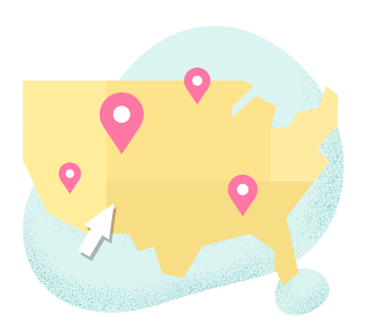
Find workers' comp requirements in your state

Commercial umbrella insurance for clothing stores
Clothing stores pay an average of $47 per month, or $567 per year, for commercial umbrella insurance.
This policy helps cover your clothing store in the event that the coverage limits on your general liability, employer's liability, or commercial auto insurance aren't enough to cover an incident.
Umbrella coverage boosts your underlying insurance policies in $1 million increments. You might need it to sign a contract with a shipper or supplier who requires higher-than-average liability limits.
Even when it's not required, you should consider carrying this type of retail business insurance coverage. It helps protect against the most expensive claims, such as multi-vehicle accidents or a product that harms many customers.
The cost of umbrella insurance depends on the amount of coverage you buy, along with the same factors that affect the cost of the underlying policies.

Commercial auto insurance for clothing stores
Retail businesses, including those that sell clothing, pay an average of $171 per month, or $2,054 per year, for commercial auto insurance.
If your delivery truck gets into an accident, this policy would help pay for any damages you caused. It would also cover your legal fees if you're sued.
You can buy coverage for other risks as well. For instance, collision insurance pays for repairs if your vehicle is damaged in a collision, while comprehensive insurance covers damage to your vehicle from other sources, such as hail, theft, and vandalism.
Almost every state requires this coverage for businesses that own a vehicle, as personal auto insurance won't cover business driving. To protect personal, rented, and leased vehicles used for work, you'd need hired and non-owned auto insurance (HNOA) instead.
The cost of commercial auto policies can vary considerably. Some of the most important factors are your employees' driving records, the policy's limits and deductible, the number of vehicles you own, and the coverage options you choose.

Cyber insurance for clothing stores
The average cost of cyber insurance for retailers, including clothing stores, is $57 per month, or $683 annually.
This policy covers expenses related to cyberattacks and data breaches. It can pay for cyber incident investigations, provide reimbursement for ransomware payments, and help with costly customer notifications, which may be required by state laws after a breach.
Cyber insurance is crucial for stores that collect customer information, such as email addresses and credit card numbers. It's sometimes called cyber liability insurance or cybersecurity insurance.
The cost of cyber insurance mostly depends on the type of business you own and the amount of personal information you handle.
Top factors impacting clothing store insurance premiums
Clothing store insurance costs vary widely. Factors that could affect your premiums include:
- Types of retail products sold and their value. Expect to pay more to insure expensive or risky items, such as designer merchandise or jewelry that would be costly to replace.
- Claims history. A store that has made insurance claims in the past will pay more for coverage, as it's more likely they'll file a claim in the future.
- Value of business property and equipment. If you own a large storefront or high-end cash registers, it'll cost more to insure them.
- Risk management. Insurance companies often offer discounts for approved security measures, such as surveillance cameras and burglar alarms.
- Coverage limits and deductibles. An easy way to save money on insurance is to choose higher deductibles or lower limits on your policies.
- Business location. Property values, weather conditions, healthcare costs, and crime rates vary by location and can influence the price of some policies.
- Business size and annual revenue. Bigger businesses and those that earn more usually have higher premiums due to their increased risk exposure.
Though you can't control everything, you and your employees can still take meaningful steps to lower your risks and reduce claims, which can help keep your insurance costs down.
How do I get affordable clothing store and boutique insurance with TechInsurance?
TechInsurance makes it easy to find the right insurance for your clothing store in three simple steps:
- Fill out a free online application with details about your shop.
- Compare business insurance quotes from top-rated U.S. providers.
- Choose policies and pay the premiums to begin coverage.
TechInsurance's licensed insurance agents are available to answer your questions and help you find the best retail store insurance for your unique needs. They can also help you find any other coverages you might need, such as professional liability insurance to defend against claims of negligence.
Policyholders can download a certificate of insurance (COI) for peace of mind and proof of insurance. Small business owners can usually get insured within 24 hours of applying for quotes.


