Why is business insurance a must for painters?
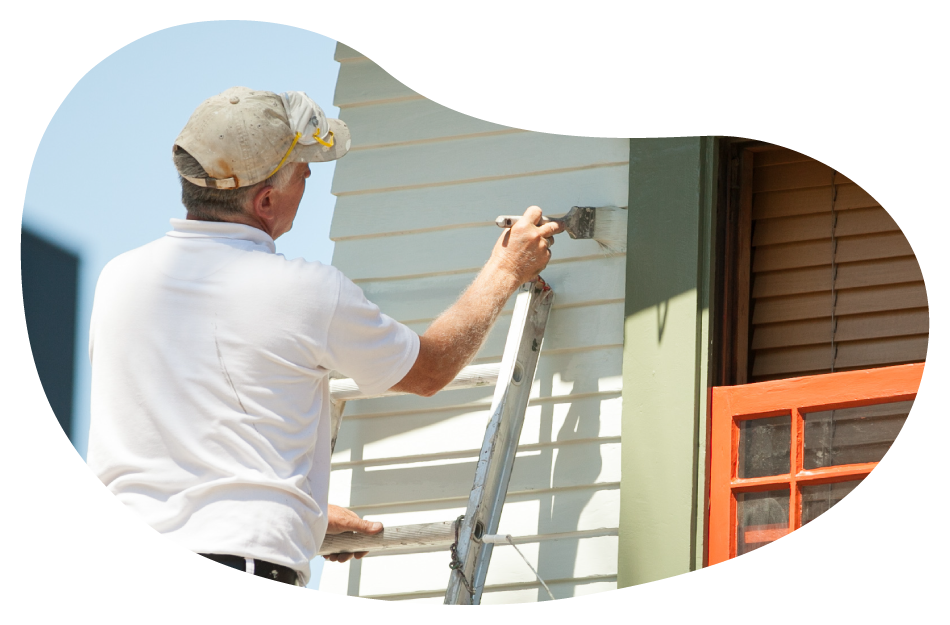
From residential interior work to commercial exterior painting, errors can happen that could financially devastate your small business. Painting insurance helps cover expenses related to ladder injuries, vehicle accidents, damaged customer property, lawsuits, and more. Insurance is often needed to win clients and secure contracts.

Get the right insurance
TechInsurance connects you with a licensed insurance agent who knows the painting business insurance industry.
Get quotes from top insurance companies to match your unique risks with our easy online application.
6 insurance policies every painter should consider
General liability insurance

A general liability insurance policy protects painters against legal expenses related to client property damage and injuries. It's often required by commercial leases and contracts.

- Client bodily injuries
- Damaged customer property
- Advertising injury and copyright lawsuits
Contractor's tools and equipment

Also known as inland marine insurance, tools and equipment insurance protects your equipment wherever you bring it. That includes items in transit to job sites, stored off-site, or at a client's home.
- Saws, drills, and other tools
- Hard hats and other safety equipment
- Excavators and forklifts
Workers' comp insurance

Most states require painting companies with employees to carry workers' comp to help cover workplace injuries (i.e., falling off a ladder). In some states, even sole proprietors who work in construction must have this policy.
- Medical bills from work injuries
- Disability benefits
- Lawsuits from workplace accidents
Commercial auto insurance

Painters with business-owned vehicles must carry commercial auto coverage to comply with state laws. It helps cover financial losses in an accident, including legal costs and property repairs.
- Auto accident injuries
- Auto accident property damage
- Vandalism of a painter's vehicle
Business owner's policy

A BOP bundles commercial property insurance and general liability coverage at a discount. It's often the most cost-effective type of business insurance for painting contractors.
- Accidental client injuries
- Accidental damage to client property
- Damage to your office or painting equipment
Professional liability insurance

Professional liability insurance covers legal fees related to a mistake, missed deadline, or other accusation of professional negligence. It's also called errors and omissions insurance (E&O).
- Project delays and budget overruns
- Wrong paints and other mistakes
- Breach of contract
Painter insurance costs

Here's a quick look at the average costs of common painter insurance policies purchased by TechInsurance customers:
General liability: $72 per month
Tools and equipment: $42 per month
Workers' comp: $190 per month
The cost of painting contractors insurance depends on several factors, including the types of services you provide, your business size, and location.
Start a free application to see how much insurance will cost for your business.
What factors affect painting business insurance rates?
Insurance companies evaluate several factors when calculating the cost of painters liability insurance during underwriting, including:
- Types of painting services offered: The type of painting services your business provides can impact your level of risk. For example, companies that offer stucco and plastering services may pay higher premiums than those that only do simple interior painting or paperhanging jobs.
- Value of business property and equipment: The value of your painting equipment, tools, supplies and other business property can influence the cost of coverage, especially if you purchase Commercial property insurance costs.
- Annual income: Higher revenue often means larger projects, more clients, and greater potential financial losses, which can increase insurance costs.
- Number of employees: Businesses with more employees typically pay higher insurance premiums because they face greater liability exposure and may have higher workers' compensation costs. A solo painter will generally pay less for insurance than a painting business with a full crew.
- Coverage limits and deductibles: Policies with higher coverage limits generally cost more, while choosing a higher deductible can help lower your premium.
- Location: Where your business operates can affect rates due to local insurance requirements, claim trends, and the cost of lawsuits in your area.
- Claims history: Businesses with previous insurance claims are often viewed as higher risk and may pay more for coverage.
- Types of insurance coverages purchased: Purchasing more coverage generally results in higher insurance costs. Many carpentry businesses combine general liability, workers' compensation, commercial auto, bonding, and a business owner's policy (BOP) for more comprehensive coverage.
- Subcontractors and additional insureds: Working with subcontractors or adding clients, landlords, or general contractors as additional insureds can increase insurance costs because of the additional liability exposure involved.
- Type of clients and contracts: Insurance premiums may also vary based on whether you work on residential or commercial properties.
Verified small business insurance reviews
Hear from business owners like you who purchased insurance coverage.
"From ladder falling injuries and damaged client property to stolen tools and subcontractor risks, painting professionals face exposures that often require more than just general liability insurance."
Why painters choose TechInsurance
Get insured quickly with TechInsurance
Get insurance fast so you can get started working with clients. Fill out our easy online application, choose a policy, and pay online to start coverage today.
Common questions about painting insurance
Do painters need a license, permit, or bond?
A large number of states mandate painters to be licensed before they can undertake contracts, and some also require your business to be registered. Your coverage requirements vary based on the kind of painting you do, such as residential or commercial jobs, industrial work, murals, furniture refinishing, or restoration services.
In order to be licensed, each state has their own education and insurance requirements. However most require passing a state exam, a certain amount of work experience, and specific types of insurance coverage and surety bonds.
Some examples include:
- Arizona: Painting contractors working on projects more than $5,000 must be licensed and show proof of a surety bond. The bond amount varies from $4,250 to $100,000, and is based on your gross volume of income per license.
- Georgia: At the state level, there are no license requirements for painting businesses. But you should still check at the city and county level for any local requirements.
- Washington: All construction contractors must register with the Department of Labor & Industries, as well as be bonded and insured. Specialty contractors, such as painters, need a surety bond of $15,000 (starting July 1, 2024) and proof of general liability insurance.
Some bond and insurance requirements are regulated by your state and local government, like workers' compensation insurance, commercial auto policies, or various types of surety bonds. You may need other certifications or permits, including lead paint safety training, to take on projects.
How do I get liability insurance as a painter?
You can easily purchase liability coverage for painters through TechInsurance. With one easy online application, you can find and compare quotes from the top-rated insurance companies. Insurance is often required to secure client contracts.
Most painting businesses start with the following policies:
- General liability insurance protects your business from expenses related to client slip-and-fall accidents and their resulting medical costs, client property damage, such as paint spills, and advertising injuries including libel and slander.
- Professional liability insurance covers your business from errors, mistakes, and other professional negligence claims. This can include claims such as using the wrong scaffolding for a project or using the wrong color for an interior painting job.
- Commercial auto insurance, which provides liability coverage for company vehicles and covers things like vehicle repair and medical expenses if you or an employee are involved in a vehicle accident.
Speak to a licensed insurance agent if you have questions about the best policies and coverage limits for painting businesses.
Can subcontractors be covered under a painting contractor’s insurance policy?
Yes, subcontractors can generally be included in a painting contractor’s insurance policy as an additional insured, though this can depend on the policy and the professional relationship. Adding your subcontractor to your policy may help extend liability protections while subcontractors are working on a job site.
On the other hand, some contracts will require subcontractors to carry their own policies, including general liability or workers’ compensation. Subcontractors having their own policies can reduce disputes over who is responsible if an accident or property damage occurs.
For example, if a subcontractor falls off a ladder while painting a commercial property and accidentally damages a client’s furniture, insurance coverage may help pay for medical bills, lost wages during recovery, legal costs, or repair expenses. The coverage that applies will depend on the policy details and contract agreements in place.
Painting businesses should review contract requirements carefully and confirm all employees and subcontractors have the appropriate coverage for the job.
Who sells insurance for small painting crews and subcontractors?
Painting businesses, from solo operations to larger businesses with many employees, need insurance coverage to protect against the wide range of accidents and incidents that can occur on the job.
Our licensed insurance agents are here to help you find the right policies, including general liability insurance for painters and other necessary coverage options, such as tools and equipment coverage.
We work with the top small business insurance companies in the nation to ensure you, your assets, your employees, and your clients are all protected.
Does painters insurance cover equipment damage and theft?
Contractor's tools and equipment coverage, also known as inland marine insurance, protects your tools and equipment from theft, damage, or loss while in transit, stored off-site, or being used at a job site.
This type of coverage is especially important for painting professionals and general contractors because general liability insurance doesn't cover tool or equipment damage.
Additionally, commercial property coverage may also leave gaps in your coverage, since it typically protects business property at a fixed location, not equipment that travels between job sites.
Tools and equipment coverage is one of the most important policies for painters because ladders, sprayers, compressors, sanders, and other portable equipment face daily risks on job sites and in company vehicles.
This coverage helps with:
- Tools stolen away from your primary work location
- Damaged tools during transport
- Accidental damage at a work site
- Equipment damaged during a project
Equipment valued over $2,500 may need to be separately listed to ensure full coverage.
Are painting contractors required to carry professional liability insurance?
Professional liability insurance, also called professional indemnity insurance or errors and omissions insurance, can protect your painting business from customer lawsuits over a claimed error, mistake, or negligence that negatively impacted them.
While not usually required, it's particularly useful for painting contractors who market and sell their industry expertise and knowledge. It protects against:
- Professional negligence
- Breach of contract
- Oversights and errors
- Breach of confidentiality
- Poor professional advice
- Missed deadlines and undelivered services
Human error is inevitable, and the out-of-pocket costs of legal action can be high. Having the right painters' liability insurance policy can protect your business in the event of an unsatisfied customer lawsuit and provide peace of mind.
What other insurance coverage should painters consider?
While common coverages, like a general liability policy or a business owner's policy (BOP), provide crucial protection against third-party claims, they don't cover every risk a painting business might face. Painting professionals, including sole proprietors, should also consider:
- Builder's risk insurance provides coverage for a structure under construction, along with materials, such as paint, at a construction site. It's sometimes called course of construction insurance.
- Commercial umbrella insurance boosts the coverage on your general liability, commercial auto, and employer's liability insurance once the policy limit is reached.
- Commercial property insurance is a crucial policy if your business has a storefront or garage where you keep equipment and supplies.
- Business personal property (BPP) coverage can be added as an endorsement to your general liability policy to protect business property kept at a designated location, even if you may not have a building.
- Business interruption insurance covers day-to-day operating costs and lost income resulting from a fire or other covered property claim. You can usually add it to your property policy or BOP.
- Employment practices liability insurance (EPLI) is a type of management liability insurance that helps cover legal expenses related to employee claims involving wrongful termination, discrimination, harassment, retaliation, and other workplace-related allegations.
- Hired and non-owned auto (HNOA) insurance provides liability coverage when you or your employees use a personal, leased, or rented vehicle for business purposes.
- Cyber insurance, also called cybersecurity or cyber liability insurance, is recommended for businesses that handle personal information, such as credit card numbers and email addresses. It covers the steep expenses related to a data breach, including customer notification costs, credit monitoring, legal fees, and fines.
- Contractors pollution liability insurance handles claims involving paint spills, chemical exposure, fumes, or other pollution-related incidents that may occur during a project.
How can you save money on painting business insurance?
With TechInsurance, you can get free quotes from top-rated insurance carriers by filling out one easy application.
There are a few other ways to get cheap painter insurance, such as:
- Bundle your policies. The most popular option is a business owner's policy (BOP), which pairs your general liability policy with commercial property insurance to save money.
- Customize your policy. Choose lower limits, a higher deductible, or certain exclusions to save on your premium. Additionally, picking only the policies that benefit your specific business will help you save money.
- Focus on workplace safety. A safe work environment means fewer liability claims, which helps lower your insurance costs. Keeping your job site safe, your equipment well maintained, and your employees well trained is crucial to avoiding claims.
How fast can I get a COI as a painting professional?
In many cases, prospective clients may require painters to carry liability insurance and provide a certificate of insurance and proof of coverage before a project starts.
Through TechInsurance, you can get a certificate of insurance the same day you apply for a quote. Getting proof of coverage quickly can help contractors meet these requirements and win contracts quickly.