


Why is insurance a must for pressure washers?
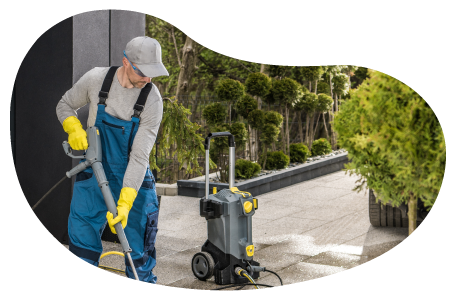

Get the right insurance
6 insurance policies every pressure washing business should consider
These popular insurance policies protect against the most common risks pressure and power washers face.
General liability insurance

This policy protects pressure washers against legal costs related to third-party property damage and injuries, such as damage to a client's lawn ornaments. It's often required by leases and contracts.

- Slip-and-fall injuries
- Accidental damage to a client's property
- Libel and other advertising injuries
Workers' comp insurance

Most states require pressure washing businesses with employees to carry workers' comp. Health insurance can deny medical expenses for work injuries, which makes it valuable for sole proprietors too.
- Medical bills for injured workers
- Disability benefits
- Lawsuits from workplace accidents
Contractor's tools and equipment

A type of inland marine insurance, this policy protects your cleaning tools and equipment wherever you bring them. That includes items in transit, stored off-site, or used at a jobsite.
- Business equipment used at multiple customer locations
- Mobile equipment and tools used by your business
- Property damage or stolen equipment outside your business location
Commercial auto insurance

Business vehicles owned by a pressure washing business must have this coverage to comply with state laws. It helps cover financial losses from an accident, including legal fees and property repairs.
- Auto accident injuries
- Auto accident property damage
- Theft of a cleaning van or other vehicle
Business owner's policy

Low-risk small business owners and contractors are usually eligible for a business owner's policy, which bundles general liability coverage and commercial property insurance at a discount.
- Client bodily injuries
- Damaged customer property
- Stolen or damaged business property
Commercial umbrella insurance

Umbrella insurance boosts the protection of your general liability, commercial auto, or employer's liability insurance policy once the limit is reached on a claim.
- Personal injury lawsuits
- Auto accident lawsuits
- Workplace injury lawsuits
Pressure washing insurance costs

From our customer data, here's a quick look at the average costs of pressure and power washing insurance policies:
General liability: $75 per month
Commercial auto: $176 per month
Workers' compensation: $133 per month
Factors that can influence pressure and power washing business insurance costs include:
- Type of services offered
- Number of employees
- Types of insurance purchased
- Coverage limits and deductibles
- Claims history
- Additional insureds and other add-ons
- Business location
- Value of cleaning equipment and business property
Verified small business insurance reviews
Hear from business owners like you who purchased insurance coverage.
Why pressure washers choose TechInsurance
Get insured quickly with TechInsurance
Get insurance fast so you can get started working with clients. Fill out our easy online application, choose a policy, and pay online to start coverage today.
.png?h=600&iar=0&w=600&rev=2e6b7ac50fd24e81b91830c8aec67126)
FAQs about pressure washing business insurance
Are pressure washing businesses required to carry insurance?
State, city, and county laws dictate whether your business needs to carry pressure washing liability insurance. Additionally, some clients may also request proof of insurance before signing a contract with your business.
Your insurance requirements will likely vary based on several factors, such as the size of your business, the number of employees you have, the policy limits you choose, the value of the business equipment you own, and the type of pressure or power washing work you do.
Examples of states with requirements include:
- Texas does not require workers' compensation for pressure washers, but it is highly recommended to avoid paying employee bodily injury claims and liability costs out of pocket. All company-owned vehicles must be covered by commercial auto insurance.
- California mandates that all power and pressure washing businesses with any number of full-time or part-time employees carry workers' compensation insurance. Pressure washing companies with business-owned vehicles are required to carry commercial auto insurance.
- Florida pressure washing businesses with four or more employees must carry workers' comp and the minimum commercial auto coverage for vehicles owned by the business.
Pressure washing business owners may want to consider carrying proof of insurance even when it is not required, given the industry's potentially hazardous nature.
Having a certificate of insurance (COI) gives you peace of mind, knowing your business is financially protected against major risks associated with running a pressure washing business.
Additionally, checking with your local government laws before starting your pressure washing services business is a key step. Your local regulations will give you the clearest idea of which insurance coverage, licenses, bonds, permits, and fees you need to obtain or pay.
Does power washing insurance cover damage to customer property?
General liability insurance can cover damage to a client’s property caused by an accident while you’re working. This often includes situations such as knocking over or breaking items, or damaging siding, windows, or fixtures with high-pressure spray.
However, there are a few important limits to keep in mind:
- The “your work” exclusion. Some insurance policies won’t pay for damages to surfaces you were hired to clean if it’s considered part of your work (like accidentally stripping paint or damaging concrete).
- Chemical damage. Property damage caused by cleaning chemicals or chemical runoff is often excluded. To cover this risk, you may need pollution liability coverage.
- Policy limits apply. General liability policies typically cover up to a set amount, like $1 million per-occurrence and $2 million aggregate limit. If you think your risks may exceed the policy limits, you might need umbrella coverage or excess liability insurance for additional protection.
Your policy can cover accidental property damage, but there are policy and coverage limits, meaning it’s important to review your policy and consider additional coverage if needed.
Does pressure washing insurance cover subcontractors?
Whether your subcontractors need coverage depends on your policy and how they are classified.
Workers’ compensation insurance is typically needed to cover job-related injuries if you hire workers for on-site jobs. This may apply to employees and, in some cases, subcontractors, depending on state laws and their classification.
Subcontractors are typically not protected under your general liability policy. To get coverage, you and your subcontractors or independent contractors will need to agree on one of the following methods:
- They can carry their own insurance policy to cover their risks and liabilities.
- You can add them as an additional insured on your policy (or be added to theirs).
Ensure your subcontractors have the right coverage necessary to avoid potential lawsuits in the event of coverage gaps.
What other insurance policies should pressure washing companies consider?
Small business owners may want to consider additional types of insurance to cover other risks and liabilities.
Here are several pressure washing insurance policies to consider:
- Hired and non-owned auto (HNOA) insurance: If your business uses personal, leased, or rented vehicles, you'll need an HNOA policy. Personal auto insurance often denies claims when an incident occurs while the vehicle is being used for work.
- Commercial property insurance: Property insurance protects your pressure washing equipment, electronics, furniture, and other items at your main business location against fires, storms, and other covered property claims. This protection is crucial since homeowner's insurance provides little to no coverage for business property.
- Business personal property (BPP) insurance: BPP insurance covers the repair or replacement of business equipment that is damaged, stolen, or vandalized when that property is stored at your home or another designated location. This coverage is included in a commercial property insurance policy and can be added as an endorsement to a general liability policy.
- Pollution liability insurance: Pollution insurance covers cleanup and legal defense costs if your business is accused of causing chemical run-off issues by a third party. General liability policies typically exclude pollution liability, making this an exceptionally important policy for pressure washing businesses.
- Equipment breakdown coverage: Covers the cost to repair or replace essential equipment if it fails due to mechanical or electrical issues, but not normal wear and tear.
- Janitorial bonds: A type of surety bond, janitorial bonds are also called employee dishonesty bonds. These policies protect your client in the event that one of your employees steals from them while on the job. Bonds build trust and may be required for certain contracts.
Having the right coverage for your pressure washing business is key to keeping you, your employees, and your business safe from unexpected incidents. Speak to a licensed insurance agent if you have questions about other policies your business may want to consider, such as cyber liability coverage.
How can you save money on pressure washing insurance?
With TechInsurance, you can get free quotes from top-rated insurance carriers by filling out one easy application.
There are a few other ways to get cheap pressure washing insurance, such as:
- Bundle your policies. The most popular option is a business owner's policy (BOP), which pairs your general liability policy with commercial property insurance to save money.
- Customize your policy. Choose lower limits, a higher deductible, or certain exclusions to save on your premium. Additionally, picking only the policies that benefit your specific business will help you save money.
- Focus on workplace safety. A safe work environment means fewer liability claims, which helps lower your insurance costs. Ensuring that your job site is safe, your equipment is well maintained, and your employees are well-trained is crucial to avoiding claims.