


Small business liability insurance
Business liability insurance is any type of commercial insurance that defends against accusations that your business caused damage, injury, or loss. It's recommended for all small businesses because of the high cost of lawsuits.
What does business liability insurance cover?
Companies that interact with the public in any way are at risk of lawsuits. This includes working with clients, customers, or even delivery people. For example, a customer could slip in a spill at a restaurant or graphic designer's office and sue over the injury.
There's no single policy that covers all possible risks. Small business owners can choose the types of business insurance that make sense for their business's unique risks.

Liability insurance protects your business from lawsuits over:
- Bodily injuries
- Advertising injuries
- Copyright infringement
- Mistakes or negligence
- Property damage
- Data breaches
- Auto accidents
When does your business need business liability insurance?
Several factors determine whether you need business liability insurance, such as your location, business operations, and industry.
You may also need insurance coverage to:

Obtain a lease
Accidents can occur at anytime and can be costly. For this reason, your commercial property manager may mandate that you show proof of a certificate of liability insurance in order to sign a commercial lease, such as a childcare center.
Sign a contract
If your company is working on a project that is high risk (like a security guard position) or with a larger organization, clients may require you to have commercial general liability insurance (CGL) or professional liability insurance in order to sign a contract.
Fulfill licensing requirements
Certain industries, such as real estate, finance, or construction, may require you to get liability insurance to complete your licensing requirements. Without insurance, you may not be able to get licensed in your chosen profession.
Complete state requirements
Almost every state requires small businesses to carry commercial auto insurance for business-owned vehicles.
In addition, most states require companies with one or more employees to have workers’ compensation insurance. This policy covers the cost of medical bills in the event of a workplace injury.
State laws sometimes require errors and omissions insurance (E&O) for certain professions, such as real estate agents, physicians, and attorneys. This is often tied into their licensing requirements.
In rare cases, such as with cannabis dispensaries, business may be required to have general liability insurance to operate in a certain state.
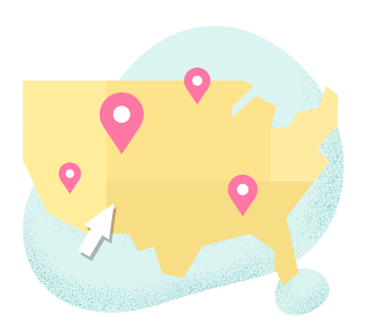
Which small business insurance policies does your state require?
Which business liability insurance policies does your company need?
We recommend these four liability policies for most small businesses. Other policies apply to businesses with specific risks.
General liability insurance
Most small businesses are at risk for customer injury and third-party property damage, especially if you interact with customers on a regular basis. This is why general liability insurance is usually a must-have policy.
General liability insurance covers the most common third-party lawsuits. Examples include:
- A client slipping on a wet floor at your office and breaking a leg
- A competitor accusing your advertising company of defamation for a post on social media
- One of your employees dropping and damaging property that belongs to a client
Most general liability policies include product liability insurance or the option to include it as an endorsement. This policy covers financial losses related to harm caused by a product.
Because accidents can be expensive, your clients or commercial landlord might request a certificate of insurance proving that you carry general liability insurance coverage.
Errors and omissions insurance
If your small business provides professional services or advice, you should strongly consider errors and omissions insurance (E&O) to protect yourself against the risks of working with clients.
If a client accuses your company of late, incomplete, or erroneous work, E&O insurance (also known as professional liability insurance) can cover your legal expenses, including defense costs.
Cyber insurance
Companies that conduct business online or store sensitive customer information, such as credit card numbers, are constantly at risk for cyberattacks or data breaches. Cyber insurance helps pay for the aftermath of a data breach or cyberattack at your business.
This policy can also cover your legal defense costs if a client affected by a breach blames your company for failing to prevent it.
Commercial property insurance
Commercial property insurance protects your business property from theft, fire, vandalism, and other risks. This includes your company's physical location and equipment.
If your small business is small and/or low-risk, you may qualify for a business owner's policy (BOP). This policy bundles your general liability coverage with commercial property insurance at a discount, and helps pay for the replacement or repair of your business equipment or inventory in the event of a covered loss.
Other important liability insurance policies
Small businesses that hire employees or own company vehicles may need additional coverage to further protect against financial loss.
The following liability policies address specific risks:
- Commercial auto insurance protects vehicles owned by your small business. It covers medical expenses and legal fees in the event of an accident involving your business vehicle.
- Hired and non-owned auto insurance provides liability protection for vehicles used but not owned by your business, such as a personal or rented vehicle used for work errands.
- Employer's liability insurance protects your business against employee lawsuits over injuries. It's almost always included in workers' comp insurance.
- Commercial umbrella insurance boosts the coverage limits of some of your current liability policies, such as general liability and employer's liability insurance. Exclusions include professional liability coverage and commercial property insurance.
- Excess liability insurance also provides extra protection when underlying policy limits run out, similar to commercial umbrella insurance. However, it differs from commercial umbrella coverage in that it boosts coverage limits for only one policy, usually errors and omissions insurance or general liability insurance.
What does small business insurance cost?

Every small business pays different premiums for commercial insurance. The cost is based on several factors, such as:
- Types of coverages you choose
- Your profession’s level of risk
- Policy limits you choose (aggregate and per-occurrence)
- Where your company is based
- Number of workers at your business
How can I find the cheapest business liability insurance?
Business insurance does not have to expensive. There are things policyholders can do to keep your insurance costs down.
This includes:
- Purchasing a business owner’s policy (BOP). Small low-risk businesses may be eligible for a business owner’s policy. A BOP bundles a general liability insurance policy with commercial property insurance and costs less than purchasing the policies separately.
- Paying the annual premium. When you buy a policy, insurance companies often allow you to choose between paying your premium monthly or annually. The annual amount costs less than paying by the month.
- Choosing a higher deductible. Choosing a higher deductible is an easy way to save on your premium, but make sure to choose a deductible you can easily afford. If you can’t pay it, you can’t collect on a claim.
- Managing your risks. It’s unfortunate, but true: Claims on your insurance make your premium go up. You should reduce all type of risks to avoid liability claims and keep your premium low.
Ask TechInsurance's licensed insurance agents if your company is eligible for any bundles or discounts. Our insurance agents are also available to talk through your insurance options and help you determine which policies are needed for your small business.
How to get business liability insurance
Review information on how to get the right insurance for your small business, including the types of policies you may need and how these coverages can protect your small business.
- Why do you need business insurance?
- How business lawsuit insurance can protect you
- How much business liability insurance do you need?
- How do business insurance policies compare?
- How can I get a certificate of insurance?
Find more answers to frequently asked questions (FAQs) about business insurance.


